Change Detection vs Uptime Monitoring
Confused about change detection and uptime monitoring? Learn when to use each, how they differ, and why most businesses need both for complete website visibility.

PageDrifter Team
The team behind PageDrifter, building the best website change detection tool.
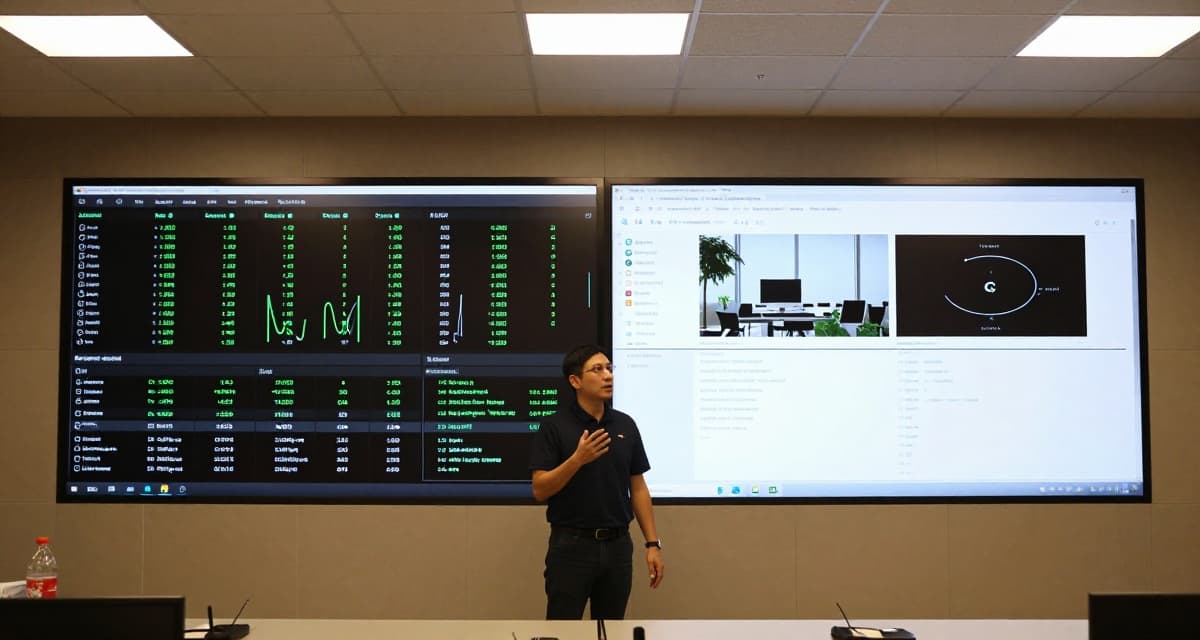
"Is my website up?" and "Has my website changed?" are two completely different questions. Yet many people confuse uptime monitoring with change detection—or assume one tool does both.
Let's clear up the confusion.
The Core Difference
Uptime monitoring answers: Is this website reachable right now?
Change detection answers: Has something on this website changed since I last checked?
Both monitor websites, but they serve different purposes and catch different problems.
Uptime Monitoring Explained
Uptime monitoring checks if a website responds to requests. It pings your site and measures:
- Availability - Does the server respond at all?
- Response time - How fast does it respond?
- HTTP status - Is it returning 200 OK or an error code?
- SSL validity - Is the certificate working?
What Uptime Monitoring Catches
- Server crashes and outages
- Network connectivity issues
- DNS problems
- SSL certificate expiration
- Slow response times
What Uptime Monitoring Misses
- Content changes (prices, text, images)
- Defacement or unauthorized edits
- Broken layouts that still load
- Missing sections or features
- Competitor updates
Key Point
A website can have 100% uptime while displaying completely wrong information. Uptime monitoring won't notice.
Change Detection Explained
Change detection monitors the actual content of a webpage. It captures what's on the page and compares it to previous versions:
- Text changes - Any modification to written content
- Visual changes - Layout, design, image swaps
- Structural changes - New sections, removed elements
- Data changes - Prices, stock status, dates
What Change Detection Catches
- Price changes on competitor sites
- Content updates and new articles
- Terms of service modifications
- Job posting additions or removals
- Product availability changes
- Unauthorized content edits
What Change Detection Misses
- Server downtime (if the site is down, there's nothing to compare)
- Performance degradation
- Backend issues that don't affect visible content
- SSL certificate problems
Side-by-Side Comparison
| Aspect | Uptime Monitoring | Change Detection |
|---|---|---|
| Primary question | Is it online? | Has it changed? |
| Check method | HTTP request/ping | Content comparison |
| Response time | Milliseconds | Seconds to minutes |
| Resource usage | Minimal | Moderate to high |
| Alert trigger | Site down or slow | Content different |
| Typical frequency | Every 1-5 minutes | Hourly to daily |
| Best for | Your own sites | Any website |
When to Use Uptime Monitoring
Uptime monitoring is essential when you need to know the moment your site goes down:
Your Own Websites
If your e-commerce store crashes at 2 AM, you want to know immediately—not when customers start complaining. Uptime monitoring alerts you within minutes of an outage.
Critical Business Applications
Internal tools, APIs, and services that your team or customers depend on need uptime monitoring. A few minutes of downtime can mean lost productivity or revenue.
SLA Compliance
If you've promised customers 99.9% uptime, you need to measure it. Uptime monitoring provides the data for SLA reporting.
Performance Baselines
Track response times over time to spot degradation before it becomes a problem.
When to Use Change Detection
Change detection shines when content matters more than availability:
Competitor Intelligence
Monitor competitor pricing pages, product launches, and marketing messages. Know when they change strategy before your sales team gets blindsided.
Compliance Monitoring
Track changes to terms of service, privacy policies, and regulatory pages. Stay ahead of policy updates that affect your business.
Content Verification
Ensure your own published content stays accurate. Catch accidental edits, CMS issues, or unauthorized changes.
Research and Intelligence
Track job postings, news updates, government announcements, and any public information that impacts your work.
Brand Protection
Monitor for unauthorized use of your brand, copycat sites, or content scraping.
Why You Probably Need Both
Here's the thing: most businesses need both types of monitoring, just for different purposes.
Use uptime monitoring for:
- Your own websites and applications
- Critical third-party services you depend on
- APIs your product integrates with
Use change detection for:
- Competitor websites
- Industry news sources
- Legal and compliance pages
- Content you've published
- Third-party pages that affect your business
Smart Setup
Monitor your own site with uptime checks (every minute) AND change detection (daily). You'll catch both crashes and content issues.
Can One Tool Do Both?
Some tools offer both features, but they're usually stronger in one area:
- Uptime-focused tools (UptimeRobot, Pingdom) may offer basic change detection as an add-on
- Change-focused tools (PageDrifter, Visualping) may offer basic uptime checks
The right approach depends on your primary need. If change detection is your main concern—tracking competitors, compliance pages, or content updates—use a dedicated change detection tool like PageDrifter. Check our pricing plans to find the right fit. Add a simple uptime monitor for your own sites.
Real-World Scenarios
Scenario 1: E-commerce Business
Uptime monitoring for:
- Your storefront (alert if checkout goes down)
- Payment gateway status pages
- Shipping provider APIs
Change detection for:
- Competitor pricing pages
- Supplier product availability
- Industry regulation updates
Scenario 2: Legal or Compliance Team
Uptime monitoring for:
- Your company's legal pages (ensure they're accessible)
Change detection for:
- Vendor terms of service
- Regulatory body announcements
- Partner agreement pages
- Industry compliance standards
Scenario 3: Marketing Team
Uptime monitoring for:
- Campaign landing pages
- Marketing automation tools
Change detection for:
- Competitor websites and messaging
- Industry news sources
- Review sites mentioning your brand
- Social proof and testimonial pages
Making the Choice
Ask yourself these questions:
-
Am I monitoring my own site or someone else's?
- Own site → Both (uptime + change)
- Others' sites → Change detection
-
What problem am I solving?
- "I need to know if my site goes down" → Uptime
- "I need to know if content changes" → Change detection
-
How quickly do I need to know?
- Within minutes → Uptime monitoring (more frequent checks)
- Same day is fine → Change detection (less frequent, more thorough)
Conclusion
Uptime monitoring and change detection aren't competitors—they're complements. Uptime monitoring keeps your infrastructure in check. Change detection keeps you informed about what's actually on the page.
For complete website visibility:
- Use uptime monitoring for availability and performance
- Use change detection for content and competitive intelligence
Ready to start monitoring website changes? Try PageDrifter free—we'll alert you the moment something changes on any page you care about.
Related Articles
Visual vs. Text-Based Change Detection
Understand the differences between visual and text-based website monitoring and learn when to use each approach for best results.
5 Website Monitoring Workflows You Can Automate Today
Stop manually checking websites for changes. These 5 automation workflows help you monitor competitors, track prices, and catch critical updates—hands-free.
Website Change Detection: Complete Guide
Everything you need to know about website change detection - how it works, use cases, and why it matters for your business.
Ready to Start Monitoring?
Set up your first website monitor in under 10 seconds. Free forever for 3 monitors.
Start Monitoring Free