Website Change Detection: Complete Guide
Everything you need to know about website change detection - how it works, use cases, and why it matters for your business.

PageDrifter Team
The team behind PageDrifter, building the best website change detection tool.
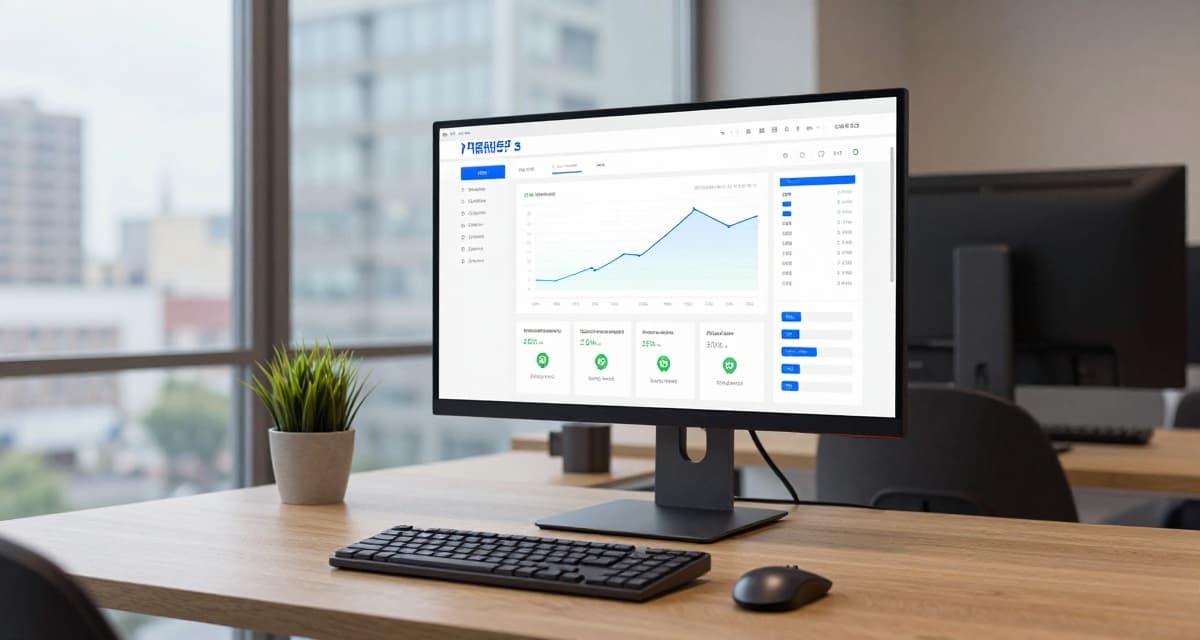
Website change detection is the automated process of monitoring web pages for content modifications and alerting you when changes occur. It's a crucial tool for businesses, researchers, and individuals who need to stay informed about updates across the web.
How Does Website Change Detection Work?
At its core, website change detection follows a simple process:
- Fetch - The tool retrieves the webpage content at regular intervals
- Compare - It compares the new content with the previous version
- Detect - Algorithms identify meaningful changes
- Notify - You receive an alert when changes are detected
Technical Note
Modern change detection tools like PageDrifter use smart algorithms to filter out noise like timestamps, dynamic ads, and random elements that change on every page load.
Who Uses Website Change Detection?
E-commerce Teams
- Track competitor pricing and promotions
- Monitor product availability
- Watch for new product launches
Legal and Compliance Teams
- Monitor Terms of Service changes
- Track regulatory updates
- Ensure policy compliance
Recruiters and Job Seekers
- Get alerts when new jobs are posted
- Track company career pages
- Monitor competitor hiring activity
Product Managers
- Track competitor feature changes
- Monitor API documentation updates
- Watch for product announcements
Benefits of Automated Monitoring
Save Time
Manual checking of websites is incredibly time-consuming. If you check 10 websites daily, that's:
| Task | Manual | Automated |
|---|---|---|
| Time per check | 2-5 minutes | 0 minutes |
| Daily time | 20-50 minutes | 0 minutes |
| Monthly time | 10-25 hours | 0 hours |
Never Miss Changes
Automated monitoring ensures you catch every change, even if it happens at 3 AM on a Sunday.
Get Context with Diffs
Good change detection tools show you exactly what changed with visual diffs, so you can quickly understand the significance of each update.
DevOps and Engineering Teams
- Monitor SaaS changelogs for breaking changes
- Track API deprecation notices
- Watch dependency release notes
Getting Started with PageDrifter
Setting up your first monitor takes under 10 seconds:
- Enter the URL you want to monitor
- Add your email for notifications
- Click "Start Monitoring"
That's it. PageDrifter handles the rest.
Free Forever
PageDrifter offers a free tier with 3 monitors and 100 checks per month. No credit card required.
Conclusion
Website change detection is an essential tool for staying informed in today's fast-moving digital landscape. Whether you're tracking competitors, monitoring compliance, or watching for job opportunities, automated monitoring saves time and ensures you never miss important updates.
Start monitoring for free and see the difference automated change detection can make.
Related Articles

5 Website Monitoring Workflows You Can Automate Today
Stop manually checking websites for changes. These 5 automation workflows help you monitor competitors, track prices, and catch critical updates—hands-free.

Reduce False Positives in Monitoring
Getting too many alerts? Learn proven techniques to filter out noise and only get notified about meaningful website changes.
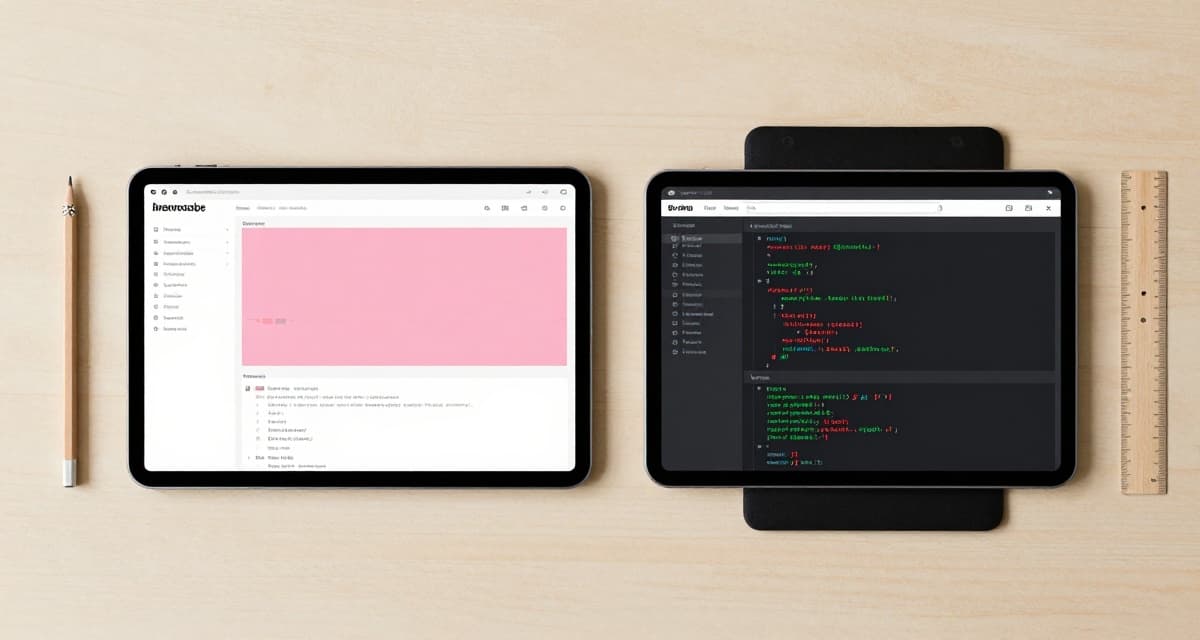
Visual vs. Text-Based Change Detection
Understand the differences between visual and text-based website monitoring and learn when to use each approach for best results.
Ready to Start Monitoring?
Set up your first website monitor in under 10 seconds. Free forever for 3 monitors.
Start Monitoring Free